New and rebuilt turbos, motorsport workshop and CNC machining




Highlights
_thumb.webp)
_thumb.webp)
_thumb.webp)
_thumb.webp)
_thumb.webp)
_thumb.webp)


_thumb.webp)
_thumb.webp)

_thumb.webp)
_thumb.webp)

_thumb.webp)
Diesel

_thumb.webp)
_thumb.webp)
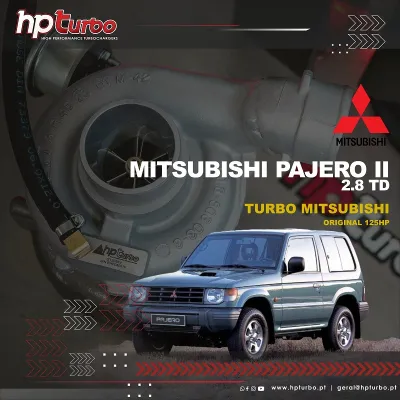
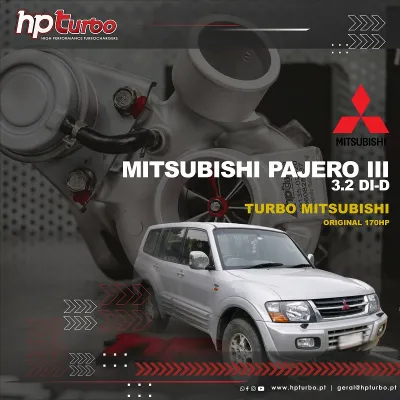



_thumb.webp)
_thumb.webp)





_thumb.webp)





_thumb.webp)
_thumb.webp)
_thumb.webp)
_thumb.webp)
_thumb.webp)
_thumb.webp)
_thumb.webp)
_thumb.webp)
_thumb.webp)






_thumb.webp)


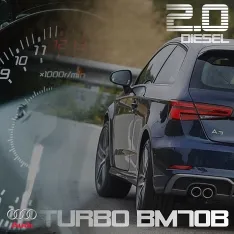
_thumb.webp)
_thumb.webp)
_thumb.webp)




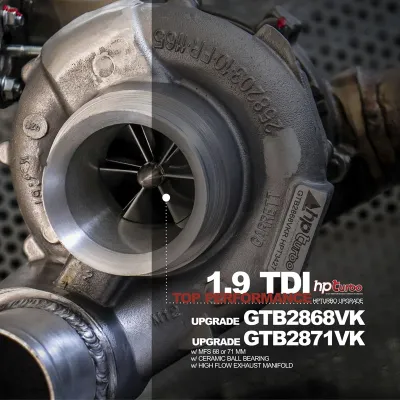
_thumb.webp)
_thumb.webp)

Petrol

_thumb.webp)
_thumb.webp)
_thumb.webp)
_thumb.webp)
_thumb.webp)


_thumb.webp)




_thumb.webp)

_thumb.webp)



_thumb.webp)



_thumb.webp)
_thumb.webp)





_thumb.webp)
_thumb.webp)




_thumb.webp)
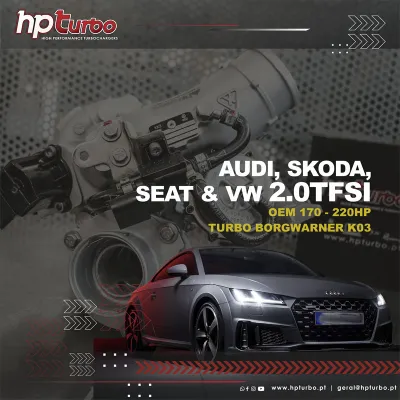
_thumb.webp)




HP TURBO News
(1).jpg)
.jpg)

.jpg)
.jpg)

Resellers
Our clients say


A melhor casa de Turbos no país. Excelente serviço, rápido e funcionários muito simpáticos. Recomendo vivamente esta empresa. Obrigado


me comuniqué por email y me respondieron rápido. Pedro me aconsejó cuál podría ser el problema ya que no era ...

Venho deixar umas rapidas palavras sobre a HP turbo, antes de tudo, queria deixar claro que tenho contacto de varios mecanicos ...

Recomendo vivamente. Profissionalismo e disponibilidade em ajudar sempre vincados em cada atendimento.

Além de uma boa recepção, todo o cuidado com o veiculo foi 5 estrelas. Ótimo lugar para manutenção
Contact Data
Frequently asked questions
What is a rebuilt turbo?
The turbocharger is one of the components that, when it fails, is expensive to repair or replace, because of the complexity of the parts that make up the turbine and the precision required to set it up and fit it.
A rebuilt turbo is a more economical solution than a new one, because it reuses components from the damaged unit. Most rebuilds involve replacing the internals of the turbo and restoring the factory tolerances by machining and balancing, in accordance with ISO 9002: 1994.
Rebuilding all the internal friction components of a turbo requires complex quality control on certified measuring and testing equipment. Rebuilds are carried out under mechanical test conditions, or on test benches, and compared against the manufacturer's figures for the engine the turbo is fitted to.
If you are looking to buy a rebuilt turbo, please have the following details of your original or currently fitted turbo to hand:
- Vehicle make
- Model
- Year
- Engine
- Engine number
- Turbo part number
Please contact us with any questions.
How does a turbocharger work?
The turbocharger, usually known simply as the turbo, was invented by the Swiss engineer Alfred Buchi in 1905. It was used in diesel locomotives from 1920, and was first fitted to a non-diesel engine by General Electric. Today turbos are fitted to every diesel locomotive, to the diesel engines of large ships and to diesel road vehicles.
Renault were the first Formula 1 team to run a turbo, in 1977; the FIA later banned them in 1989. In 2014, however, turbocharged engines returned to the category.
An engine's torque is directly related to the mass of air it can draw in on each intake cycle. The turbo's job is to compress the air before the engine takes it in. The greater the volume of air, the greater its mass once compressed.
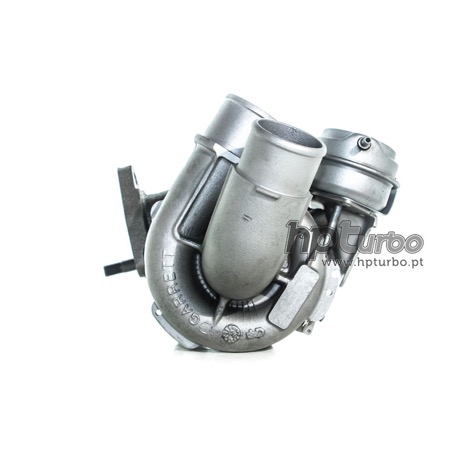
A turbocharger can be divided into two halves: the turbine (also known as the hot side) and the compressor (the cold side). The names come from the temperature difference between them, which can run to hundreds of degrees while the engine is running.
The turbine uses the kinetic energy of the engine's exhaust gases to drive the compressor. Through a shaft, it transfers that energy to the compressor on the engine's intake side. Once a certain speed and load are reached, the compressor begins to generate positive pressure in the intake manifold. In other words, it increases the mass of air the engine takes in per cycle by compressing it, which also heats the air and raises its entropy, and this allows the engine to deliver considerably more performance.
What is a DPF?
Diesel cars emit particulates that are associated with respiratory and cardiovascular disease and with lung cancer. These carcinogenic particulates are released with the soot produced by burning diesel, the black smoke typical of diesel vehicles.
Because these particulates are so harmful to public health, a maximum emissions limit of 0.005 g/km was set by the Euro V standard, which came into force in September 2009.
To stay within that limit, a particulate filter is added to the exhaust line. PSA (Peugeot Citroën) was the first manufacturer to fit particulate filters to its passenger cars, in 2000, and by 2004 cities such as Tokyo and New York had banned heavy vehicles without particulate filters.
What is the particulate filter?
The particulate filter may be referred to as a FAP (Filtre À Particules) or a DPF (Diesel Particulate Filter). To reduce particulate emissions from diesel cars, the filter traps the particles and then, through regeneration, burns them off at high temperature using precious metals, converting them into CO2, water and ash, much as an ordinary catalytic converter does.
White smoke
White smoke and engine speed rising out of control are usually symptoms of a damaged turbo. Talk to us before the problem gets worse.
Looking after your turbo
When a turbo is in poor health, the following symptoms are common: oil consumption, loss of pulling power, and a drop in output accompanied by a faint whistle.
The engine oil should be synthetic or semi-synthetic (10W40, 5W40 and similar), as it lubricates the engine's small oilways more effectively. Poor oil turns to sludge and blocks these passages, so the turbo is no longer cooled and deteriorates as a result.
- Care to take with the turbo: never use high revs while the car is still cold. Ideally stay below 2,500 rpm, depending on the model. If you can, leave the car idling for around 8 seconds before setting off, but never more than 5 minutes: contrary to what many people say, a car should not be warmed up at idle but while being driven.
- After a journey, or after running the engine at high revs, always leave it idling for 1 to 2 minutes once you have stopped. This is what a turbo timer, or engine cool down, is for. The turbine runs on oil supplied by the engine, so if you switch the engine off the oil pressure drops to zero almost immediately. What happens then? The turbine keeps spinning without the lubrication it needs, which is known as running dry.
- On vehicles used mainly in town, where there is no opportunity to use the revs, it is worth running between 2,000 and 3,000 rpm from time to time to decarbonise the turbo and other components.
What is a turbo upgrade?
A turbo upgrade involves changing a set of components in order to improve the engine's performance and torque. This work can only be done with non-original parts and components, and calls for highly specialised knowledge. The changes may involve partial or complete modification of the turbo, of the intake pipework and of the electronics, whether by changing the ECU or by remapping it.
Safe mode
Safe mode is the engine's fallback and self-protection system, used in the event of a serious fault that could cause deep damage. If your vehicle has triggered this protection, take it to a workshop and have the cause identified. It may also be related to turbo faults or to the variable geometry not working correctly.
Seized variable geometry
Conventional turbos have a drawback at low engine speeds: they do not spin the turbine, which is driven only by the exhaust gases, so the engine behaves as though it were naturally aspirated.
One answer is to use a small low-pressure turbo that starts compressing the engine's intake air from very low revs, but this has a drawback of its own: at high engine speeds a low-pressure turbo cannot compress all the air required, so the power gained low down is lost higher up. The solution found was to give a single blower the ability to compress air efficiently at both low and high engine speeds, and hence the variable geometry turbocharger.
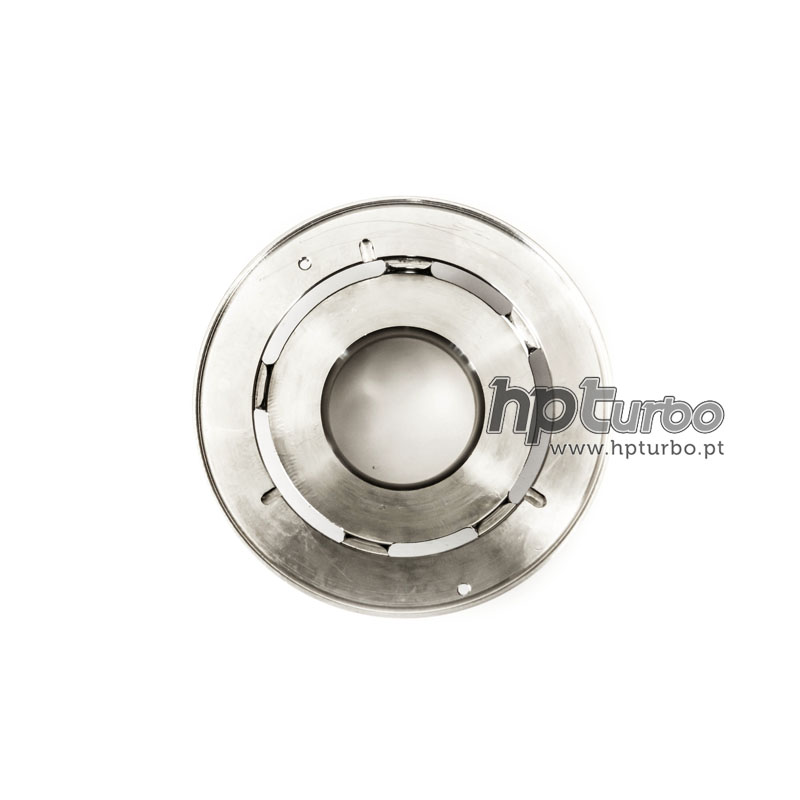
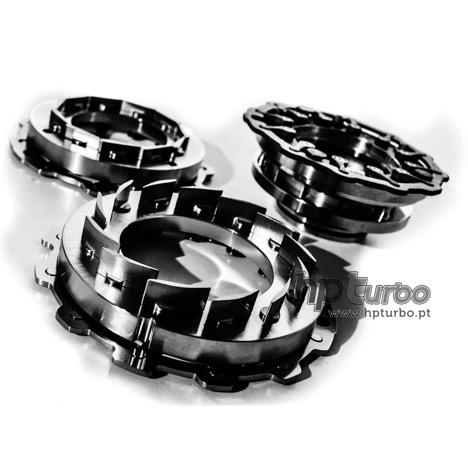
The VGT (Variable Geometry Turbo) differs from a conventional turbo in using a ring or nozzle plate carrying movable vanes, which can all be set together to a given angle by a rod and lever mechanism driven by a pneumatic actuator. Over time, as carbon builds up in this vane assembly, problems appear: the vanes stick and the assembly stops working properly, letting air through in an uncontrolled way.
The most common turbo failures
- Foreign objects entering the intake through the compressor, breaking the compressor wheel blades.
- Turbine blades broken by foreign objects coming from the engine: engine valves, piston rings, valve guides, melted pistons, valve seats, pieces of casting from the exhaust manifold, nuts, bolts, washers and so on.
- Scoring spread evenly around the inner and outer surfaces of the bearings, the turbine shaft surface, the washers and the core housing, caused by contaminated or overly thick oil.
- Wear on the inner and outer surfaces of the bearings and on the core housing, wear on the turbine shaft surface and on the thrust washers, and blue discolouration of the shaft.
- A build-up of carbonised oil caused by using oils unsuited to the engine, or by oil changes left too late.
- Imbalance caused by premature bearing wear, which follows from the faults described above and also from excessive deposits on the compressor and turbine blades.
Oil loss can be caused by several factors:
- Defective piston rings,
- The turbocharger running at zero oil pressure,
- Excessive exhaust gas pressure in the crankcase,
- A blocked oil drain to the crankcase,
- Oil level too high,
- A very dirty air filter,
- A build-up of carbonised oil deposits inside the housing,
- Oil viscosity too high.
- Overspeeding has several causes, such as a defective or badly calibrated by-pass valve, the wrong turbo fitted to the engine, or bench testing the turbocharger unloaded.
- Rising temperature is caused by the injection system not working correctly, through over-fuelling, or by the engine being out of time.
Siren noise or whistling
Most whistles and noises coming from the turbo are caused by leaks in the exhaust and intake circuits. It is very important that these are airtight. A siren-like noise is a symptom of imbalance in the turbo core.
- Client support+351 212 530 221
«Chamada para a rede fixa nacional» - Secure paymentPay safely
- Satisfaction guaranteeAnd after-sales support









































Já lidei com várias casas de turbos, e havia sempre algo a apontar, e por recomendação de um amigo, optei ...